Today's Briefing
10 highlights · Updated 8:40 PM UTC
A fresh wave of AI-first funding broadens from developer tools to energy and waste
Investors doubled down across AI-specialist stacks today — from developer governance and multimodal video to energy markets and municipal services — while seed-stage fuel (Primary Ventures' $625M Fund V) and government research grants (ARIA) keep upstream talent flowing. The pattern continues yesterday’s AI funding sprint but widens beyond frontier labs into domain-specific platforms and infrastructure, raising questions about concentration (large late rounds) and breadth (many small pre-seeds).

Proptech startup Smart Bricks raises $5M pre-seed led by a16z
Smart Bricks raises $5M pre-seed led by a16z, signaling AI-based proptech due diligence.
Smart Bricks’ $5M pre-seed validates AI-driven proptech due diligence at early stage. Builders should prioritize data provenance and platform-agnostic integration with property data feeds, emphasizing model drift monitoring and explainability to sustain trust across real estate markets.
Underwriting Take
AI-driven due diligence hits the marketBuild: Build robust data pipelines with verifiable data provenance; plug into MLS/real estate feeds and implement continuous...
Invest: Pre-seed validates AI-first proptech diligence; a data-network moat and tight productized risk signals could de-risk...
Watch: Data licensing, data quality variance, and regulatory constraints could undercut model accuracy.
Verify: Show cadence of qualified deals found, conversion to investments, and outperformance vs baseline diligence metrics.
BuildAtlas paraphrases and cites sources. Read originals for full context.

AI video startup Runway raises $315M at $5.3B valuation, eyes more capable world models
Runway raises $315M at $5.3B to push world models and broaden AI video beyond generation.
Runway’s $315M round at a $5.3B valuation signals a platform shift toward world models, not just video generation. Builders should focus on modular, interoperable components (vision, language, action) and evaluate latency and data synergy risks when expanding beyond single-task capabilities.
Underwriting Take
World models redefine platform scopeBuild: Prioritize modular world-model primitives, optimize cross-task latency, and plan API surfaces for multimodal data
Invest: Signals a move toward durable, multimodal platforms that can monetize through integrated tools and data networks
Watch: Be wary of cross-domain data licensing and dependency on a few key datasets/models
Verify: Monitor Runway’s product releases, latency metrics, and cross-task benchmarks over next 6–12 months
BuildAtlas paraphrases and cites sources. Read originals for full context.

Tem raises $75M to remake electricity markets using AI
Tem raises $75M to apply AI to electricity markets, signaling AI-native energy platforms.
Tem's $75M funding underscores AI-driven platforms for electricity-market optimization. Builders should assess how Tem's transaction engine can integrate with existing grid operators and markets, while focusing on robust data provenance and regulatory-compliant AI models. The next steps involve building pilot integrations and expanding to regulatory-compliant workflows in target regions.
Underwriting Take
AI-powered energy platforms race into marketsBuild: Run targeted pilots with grid operators and ensure standard API/AML/regulatory-compliant data pipelines.
Invest: AI-native market design could redefine energy procurement, but regulatory and counterparty risk may cap upside; watch...
Watch: Regulatory constraints and incumbent PPAs could slow adoption; verify pilot scope and regulatory approvals.
Verify: Public pilot results, cost savings, and regulatory approvals
BuildAtlas paraphrases and cites sources. Read originals for full context.

Primary Ventures raises healthy $625M Fund V to focus on seed investing
Primary Ventures closes $625M Fund V to scale seed investing nationwide.
Primary Ventures’ $625M Fund V signals continued maturity and scale in seed-stage investing. Builders should expect more structured, founder-friendly capital access and sharper diligence processes; investors should watch for deployment discipline and syndicate strength as Fund V moves to nationwide seed bets.
Underwriting Take
Seed fund scales footprintBuild: Develop tooling to accelerate seed-stage due diligence and cap table management for founders.
Invest: Shows sustained appetite for seed bets with structured fund vehicles; assess LP quality and deployment cadence.
Watch: Overhang risk if Fund V underdelivers on deployment pace.
Verify: Track Fund V deployment metrics and number of seed rounds led/participated in by Primary Ventures.
BuildAtlas paraphrases and cites sources. Read originals for full context.

Databricks CEO says SaaS isn’t dead, but AI will soon make it irrelevant
Databricks: AI could upend SaaS; builders must plan AI-driven platform shifts, investors watch for ecosystem effects.
Databricks’ Ali Ghodsi signals AI-enabled platforms could render traditional SaaS apps less central, pushing builders to rethink integration layers and data moats. For product teams, explore AI-first features that enhance composability and ensure your platform can ride AI-driven workflows rather than compete head-on with monolithic SaaS.
Platform Shift
AI may redefine SaaS platformsBuild: Map your product’s data surfaces and APIs for AI endpoints; pilot AI copilots to drive user value; design for modular...
Invest: AI-driven platform shifts can create winner-takes-most ecosystems; fund teams enabling AI-native integrations and rob...
Watch: Overreliance on AI without open data standards could lock users into a single stack
Verify: Track customer adoption of AI features and how data interoperability affects retention and upsell
BuildAtlas paraphrases and cites sources. Read originals for full context.

Vega raises $120M Series B to rethink how enterprises detect cyber threats
Vega raises $120M Series B to reinvent enterprise threat detection with AI.
Vega's $120M Series B, at a $700M valuation, signals strong appetite for AI-driven threat detection in enterprises. Engineers should examine Vega's data pipeline, model refresh cadence, and integration hooks with existing SIEMs to anticipate required instrumentation and latency trade-offs. Expect platform shifts as startups push toward data-centric security tooling and deeper telemetry.
Underwriting Take
Vega bets on data moat in enterprise securityBuild: Audit Vega's data sources and model update paths; plan a pilot that tests integration and latency.
Invest: AI-driven detection plus a data moat can justify premium exits, watch go-to-market tempo.
Watch: Reliance on high-quality data streams and competitive SIEM integration risk.
Verify: Compare Vega's detection latency and false-positive rate to peers in a live pilot within 2–3 months.
BuildAtlas paraphrases and cites sources. Read originals for full context.

Harvey reportedly raising at $11B valuation just months after it hit $8B
Harvey reportedly seeking $11B valuation after $190M ARR; boosts AI ops platform hype.
Harvey’s implied $11B valuation signals strong appetite for AI-enabled ops platforms with high ARR. Builders should scrutinize product-market fit, gross margins, and defensible data moats to justify premium valuations and avoid over-optimistic lock-in.
Underwriting Take
Harvey’s valuation bar rises for AI opsBuild: Develop a transparent unit-economics model and data moat strategy to justify premium funding rounds.
Invest: If Harvey sustains premium ARR multiples, early-stage AI ops players warrant higher valuations; monitor gross margin,...
Watch: Risk of inflated comps; valuations may outpace unit economics.
Verify: Cross-check with official funding round disclosures and Harvey’s ARR trajectory vs peers.
BuildAtlas paraphrases and cites sources. Read originals for full context.

Hauler Hero collects $16M for its AI waste management software
Hauler Hero raises $16M, doubling customers and revenue, signaling AI-driven waste management scale.
Hauler Hero's $16M round signals meaningful backing for AI-native waste management tooling, with emphasis on route optimization, fleet telematics, and predictive maintenance. Builders should map data-integration needs (telematics, city permits, sensor feeds) and design pilot-first features that prove ROI quickly; investors should monitor unit economics as pilots scale and lift in enterprise adoption.
Underwriting Take
AI waste management heats upBuild: Create a pilot-ready data-integration kit (telematics, sensors, city feeds) and a one-click deployment workflow for h...
Invest: AI-optimized routing and visibility could unlock unit economics in waste services if pilots convert to enterprise deals
Watch: Potential dependency on municipal procurement cycles and customer concentration risk
Verify: Confirm 16M round details, track pilot starts, ARR growth, and customer count milestones
BuildAtlas paraphrases and cites sources. Read originals for full context.

Gather AI, maker of ‘curious’ warehouse drones, lands $40M led by Keith Block’s firm
Gather AI raises $40M led by Smith Point Capital to commercialize curious warehouse drones that seek specific data.
Gather AI’s 'curious' warehouse drones aim to convert field observations into targeted data signals, backed by Smith Point Capital. The funding signals interest in autonomous data-collection platforms for logistics, pressuring incumbents to improve WMS integration and edge latency. Builders should plan pilots with warehouse operators to validate data quality and repeatability at scale.
Underwriting Take
Drones as data moat for warehousesBuild: Run a 3-site pilot tying drone data to WMS feeds; quantify data accuracy, latency, and ROI.
Invest: Early data-network advantages could unlock premium valuations if unit economics and data yield scale.
Watch: Regulatory/safety constraints and data privacy in warehouse environments could cap deployment speed.
Verify: Confirm pilot agreements, data throughput, and ROI metrics across sites.
BuildAtlas paraphrases and cites sources. Read originals for full context.

OpenAI and Hugging Face angels back Hungary's "highest-ever" pre-seed funding round
Allonic raises $7.2m pre-seed led by Visionari with backers OpenAI and Hugging Face.
Allonic's $7.2m pre-seed, backed by Visionari with OpenAI and Hugging Face participation, signals meaningful early traction in Hungary’s robotics+AI hardware scene. Builders should watch for investor appetite in hardware-enabled AI and potential cross-border collaboration opportunities.
Underwriting Take
Hungarian AI hardware momentumBuild: Prototype a modular robotics platform with clear AI-integration milestones and document early customer pilots.
Invest: Signals EU hardware+AI convergence; look for follow-on rounds and cross-border partnerships.
Watch: Hardware bets can be capex-heavy; monitor burn vs. runway and pilot outcomes.
Verify: Verify round details and subsequent pilots or customer engagements announced by Allonic.
BuildAtlas paraphrases and cites sources. Read originals for full context.

Gen AI Video Startup Runway Raises $315M Led By General Atlantic At $5.3B Valuation
Runway raises $315M led by General Atlantic at a $5.3B valuation, signaling strong demand for AI-native video tooling.
Runway’s $315M round, led by General Atlantic, underscores demand for AI-native video tooling at scale. Builders should anticipate tighter licensing, data provenance, and interoperability needs as Runway expands to enterprise use cases. Investors should monitor how Runway monetizes APIs and data assets to sustain high ARR multiples amid platform shifts.
Underwriting Take
AI video tooling scales with enterprise pushBuild: Prioritize enterprise-ready licensing terms and API extensibility to capture larger contracts.
Invest: Validates a large TAM for AI-driven video tools; consider platform plays if Runway monetizes data/assets and expands...
Watch: Competitors may replicate features with lower-cost models; beware licensing frictions.
Verify: Monitor ARR growth, number of enterprise customers, and API usage post-round.
BuildAtlas paraphrases and cites sources. Read originals for full context.

Former Tesla product manager wants to make luxury goods impossible to fake, starting with a chip
Former Tesla PM launches/hardware-auth chip aiming to stop counterfeits via digital certificates.
A former Tesla product manager is pushing a hardware-authentication chip linked to digital certificates to curb counterfeit luxury goods. If proven secure and scalable, this approach could redefine how brands certify authenticity at the point of sale and across resale markets, but hinges on trusted supply chains and verifiable attestation at scale.
Data Moat
Authenticity chips to harden brand protectionBuild: Prototype a secure element with verifiable attestation and test with study-grade counterfeit scenarios.
Invest: Hardware-based authentication can create a durable data moat around brands; evaluate IP, certification routes, and ch...
Watch: Reliance on secure element supply chains and revocation infrastructure; potential regulatory and standardization hurd...
Verify: Independent security audits, third-party attestation results, and verifiable anti-counterfeit demonstrations.
BuildAtlas paraphrases and cites sources. Read originals for full context.

Seedance 2 AI Video – Generate Videos with Audio Sync
Seedance raises to scale AI video with synchronized audio, signaling a potential platform shift in AI-generated multimedia.
Seedance’s Seedance 2 AI Video funding indicates momentum for end-to-end AI video with audio-sync, suggesting a viable path to immersive, auto-generated multimedia. Builders should prioritize robust lip-sync quality and streaming latency for production-grade results; investors should watch for defensible model tuning and data moat potential.
Underwriting Take
AI video with audio sync goes mainlineBuild: Invest in end-to-end latency budgets and lip-sync accuracy; build a reproducible media pipeline and model fine-tuning...
Invest: Indicates a multi-modal content generation trend with potential moat via fine-tuned models and data asset quality.
Watch: Real-time lip-sync quality and compute costs could bottleneck early adoption.
Verify: Benchmark against standard lip-sync datasets; publish latency and quality metrics across devices.
BuildAtlas paraphrases and cites sources. Read originals for full context.

In The Era Of Unicorn Valuation Escalation, A Trillion Dollars Isn’t What It Used To Be
Forge estimates private unicorns’ valuations push $3.5T—watch valuation benchmarks and private-market data credibility.
Forge's unicorn valuation data underscores how private-market marks can diverge from realized liquidity, making it critical for builders to design valuation tools with transparent methodologies. For AI-native financial tooling, reproduce unicorn cap tables and benchmark marks to earn trust from founders and LPs.
Underwriting Take
Unicorn valuations under the microscopeBuild: If you're building valuation tools, validate models against Forge-style unicorn cap tables and publish transparent me...
Invest: VCs should reassess pricing benchmarks and rely more on unit economics and revenue visibility than status as unicorns.
Watch: Valuations can revert; market marks may lag liquidity events.
Verify: Verify Forge data sources and compare with actual funding rounds and post-valuation exits.
BuildAtlas paraphrases and cites sources. Read originals for full context.

Sarvam Arya: Orchestration stack for production-grade agents
Sarvam Arya launches a production-grade agent orchestration stack to improve reliability of agent deployments.
Sarvam Arya's orchestration stack enables production-grade agents with built-in state management, retries, and observability. For builders, this lowers integration risk and accelerates reliable agent deployments, though you should validate performance and security implications in your stack.
Platform Shift
Orchestration accelerates production-grade ag...Build: Prototype integration with common agent runtimes and build a metrics-driven observability plan for reliability.
Invest: Enables faster, safer agent deployments at scale; assess TAM and integration risk across multi-tenant setups.
Watch: Vendor lock-in and potential performance overhead should be quantified.
Verify: Verify claims via a pilot integrating with 2-3 agent runtimes and measure latency, reliability, and observability met...
BuildAtlas paraphrases and cites sources. Read originals for full context.
ArrayPatch Announces First Close of €3M Seed Round to Advance ITZ-DerMap™ for Treatment of Nail Fungus
ArrayPatch lands €3M seed to advance ITZ-DerMap for nail fungus.
ArrayPatch’s €3M seed round validates early investor appetite for microneedle-based, localized therapies. Builders should prioritize GMP-ready formulation work and early PK/PD readouts for ITZ-DerMap to de-risk the nail-targeting platform before next funding.
Underwriting Take
Seed funding for ITZ-DerMap nails the nicheBuild: Advance GMP-ready formulation and early PK/PD profiling to de-risk nail-targeting tech.
Invest: Seed validates a microneedle-enabled antifungal platform with potential dermatology extensions.
Watch: Clinical translation and nail penetration efficacy remain high-risk; diversify indications to improve credit.
Verify: Follow-on data: physicochemical stability, release kinetics, and in vivo nail uptake study results.
BuildAtlas paraphrases and cites sources. Read originals for full context.
How this fintech raised £70m without VC backing
Fintech scales with £70m without VC funding, signaling alternative financing feasibility for scale.
The fintech in question demonstrates a viable path to scale without traditional VC rounds, signaling that strong unit economics and revenue/alternative financing can unlock rapid growth. Builders should analyze the monetization model, retention metrics, and how non-dilutive capital was raised to replicate this approach with their own fintech products.
Underwriting Take
VC-free fintech growth milestoneBuild: Map alternative financing options (revenue-based/debt) and craft a metrics-driven funding plan with clear ARR, gross...
Invest: This could broaden VC models to consider non-dilutive financing and performance-based deals in fintech investments.
Watch: Sustainability risk if growth relies on one-off funding or non-scalable channels.
Verify: Verify the fintech’s official funding rounds, terms, and sources of non-VC capital; confirm company name and disclose...
BuildAtlas paraphrases and cites sources. Read originals for full context.
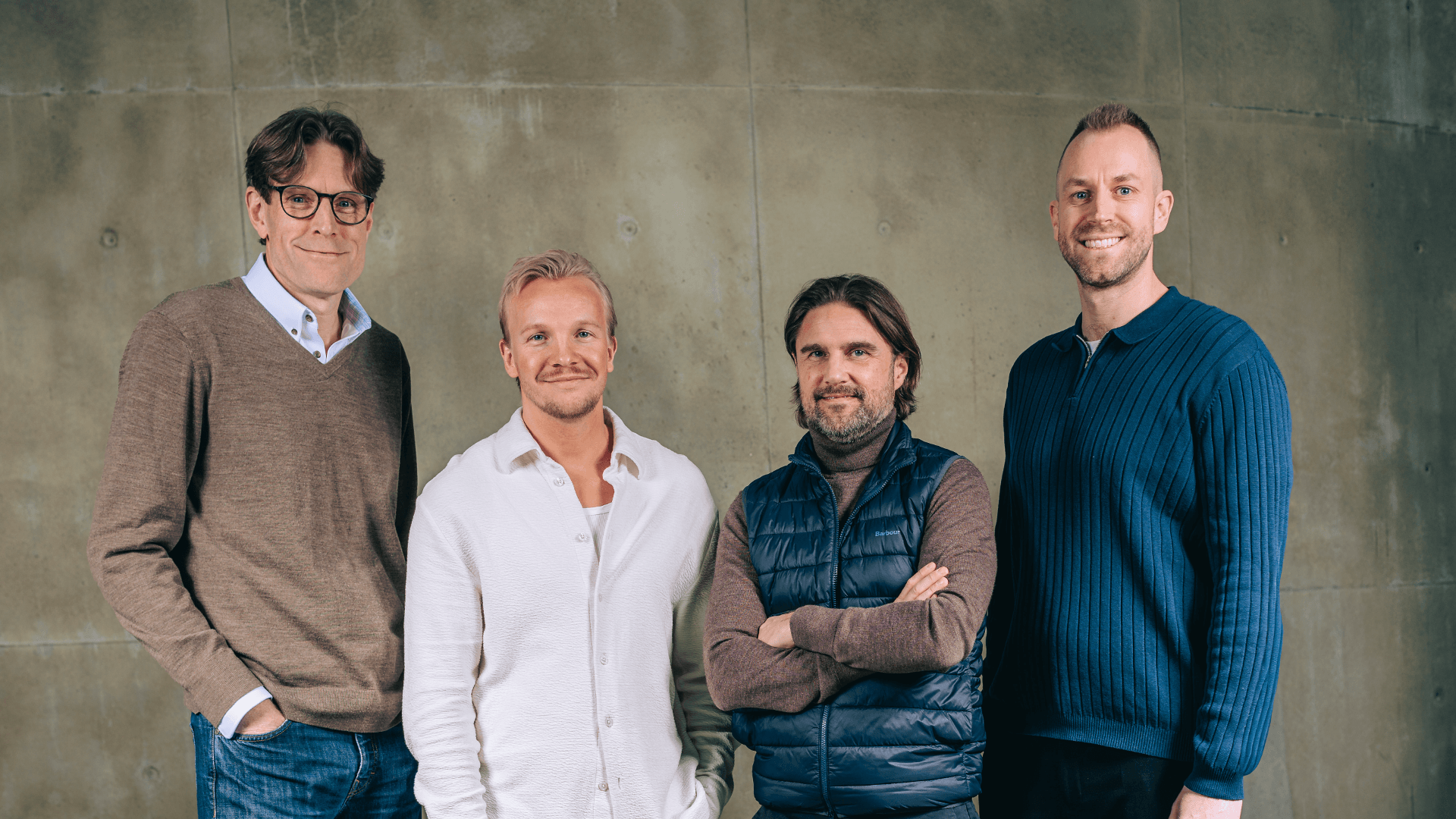
Vesiro raises €1.6M to optimise elasticsearch and lower server energy use
Vesiro raises €1.6M to cut Elasticsearch energy use and optimize performance.
Vesiro’s seed round validates a moat around energy-efficient Elasticsearch deployments. Builders should prototype Vesiro’s integration with common ES clusters to quantify energy and cost savings before expanding to production, and monitor compatibility with cloud ES offerings.
Underwriting Take
Energy-efficient ES stack gains momentumBuild: Benchmark Vesiro against standard ES workloads and publish a 20–30% energy-use reduction report.
Invest: Enables lower TCO and greener cloud spend via a deploy-at-scale Elasticsearch optimization.
Watch: Need independent verification of energy savings across workloads.
Verify: Publish third-party benchmarks and real-world case studies showing reduced kWh per query.
BuildAtlas paraphrases and cites sources. Read originals for full context.

Naboo raises $70M from Lightspeed for AI-powered events procurement
Naboo lands $70M to automate AI-driven event procurement, signaling a new phase for event-tech spend optimization.
Naboo’s $70M Series B from Lightspeed signals a strong appetite for AI-powered procurement platforms in live events. Builders should note Naboo’s emphasis on automating supplier selection and cost forecasting, which could define a new baseline for event spend optimization and supplier onboarding workflows.
Underwriting Take
AI-driven procurement for events gains tractionBuild: Prototype end-to-end procurement automation modules and AI-based supplier scoring with Naboo-like APIs; target major...
Invest: AI-enabled procurement at scale can become a defensible data moat if Naboo can show retention and savings metrics; co...
Watch: Dependency on large enterprise buyers; risk of supplier resistance and platform fragmentation
Verify: Track realized cost savings, supplier conversion rates, and time-to-purchase improvements in first 12 months
BuildAtlas paraphrases and cites sources. Read originals for full context.

xWatts closes £1.6M to expand AI-powered energy management solutions
xWatts raises 1.6M to scale AI-powered energy mgmt for complex real estate.
xWatts' seed round signals early momentum for AI-driven energy management in real estate. Builders should plan for integrations with sensor networks and edge compute for real-time optimization; investors can watch for a data moat forming from asset-level telemetry and Schneider-like ROI validation.
Underwriting Take
AI-driven energy efficiency gains tractionBuild: Develop scalable sensor integration and data pipelines; validate ROI with pilot assets.
Invest: Seed validates AI-in-energy category; watch for data flywheel and asset-level ROI.
Watch: Regulatory/compliance and data access risk in building portfolios.
Verify: Pilot-site energy savings and sensor data quality metrics compared to baseline.
BuildAtlas paraphrases and cites sources. Read originals for full context.

New ARIA research funding programme: nearly £50M to secure AI agents in the wild
New ARIA funds AI agent safety with nearly £50M to secure AI agents in the wild.
New ARIA is funneling nearly £50M into AI agent safety and robustness. Builders should plan for more government-led standards, compliance gates, and interoperable agent runtimes that may affect integration timelines and security tooling.
Underwriting Take
Funding signals AI-agent safety as a market c...Build: Roadmap an AI agent platform with security, audit, and interoperability layers to align with ARIA milestones.
Invest: Public funding de-risks early-stage safety tooling and can accelerate enterprise adoption of AI agents; look for mile...
Watch: Policy shifts could reallocate funds or impose new compliance hurdles that slow vendor adoption.
Verify: Track ARIA grant announcements, milestones, and deliverables; monitor downstream procurement contracts and standards...
BuildAtlas paraphrases and cites sources. Read originals for full context.

Former GitHub CEO raises $60M seed at $300M valuation
- Affirmation of robust investor demand for AI-oriented developer tools
- Indication of sustained high valuation levels in early-stage AI tooling startups
- Possibility of more founder-led AI dev-tool ventures entering the market
This round reinforces the ongoing appetite for AI-enabled developer infrastructure and tools, particularly when led by recognizable founders. It may pressure同行s
Underwriting Take
Developer tooling stays hot in AIBuild: Track next seed/Series rounds for AI dev tools and assess valuation trends and founder-led momentum across ecosystems
Invest: Continued willingness to back founder-led AI tooling ventures at elevated multiples
Watch: Valuations in this niche may be inflated relative to product-market traction; monitor unit economics and time-to-firs...
Verify: Cross-check with multiple dev-tool funding rounds and subsequent product milestones
BuildAtlas paraphrases and cites sources. Read originals for full context.
Public Domain Image Archive – Infinite View
Infinite View launches a public domain image archive for AI tooling.
Infinite View's public domain image archive could become a core data source for creator tooling and AI training. Builders should assess license provenance, image quality controls, and scalable API access while planning for integration with open datasets and derivative work handling.
Early Signal
Public-domain image cache for AI toolingVerify: Monitor access volumes, license provenance audits, and third-party verifications of PD status.
Build: Audit provenance, implement license checks, and design scalable access tiers for enterprise use.
BuildAtlas paraphrases and cites sources. Read originals for full context.
Show HN: Nucleus MCP – Secure local-first memory for AI agents
Nucleus MCP secures local-first memory for AI agents, shaping compliance-focused edge AI workflows.
Nucleus MCP's local-first memory approach offers a path to privacy-preserving AI workflows at the edge, which could simplify compliance for regulated data. Engineers should assess how to integrate this memory model with existing AI runtimes and security sandboxes, and prototype data locality guarantees end-to-end.
Regulatory Constraint
Nucleus MCP tightens data-locality playBuild: Prototype data-locality guarantees with popular AI runtimes and document regulatory controls (data locality, retention).
Invest: Regulatory-friendly memory models may favor vendors with clear data locality and auditability; monitor adoption curve...
Watch: Potential performance or complexity overhead vs. cloud-native memory models; ensure standards adoption.
Verify: Verify through regulatory case studies or audits citing local-first memory as compliant data handling.
BuildAtlas paraphrases and cites sources. Read originals for full context.
Build a AI coding agent in less than 700 lines of Python code
GitHub Copilot–style AI coding agent under 700 lines signals fast prototyping; anticipate stability and safety needs.
A GitHub Copilot–inspired AI coding agent built in under 700 lines of Python signals rapid prototyping and potential for tightly scoped tooling. Builders should scrutinize the underlying model prompts, sandboxed execution, and safety guards to prevent brittle or unsafe code as adoption scales.
Early Signal
Lightweight AI coding agent reshapes debuggingVerify: Replicate results with a minimal repo; measure pass@k for coding tasks; track latency and error modes.
Build: Create a testing harness with isolated code execution and safety checks; benchmark on real-world tasks.
BuildAtlas paraphrases and cites sources. Read originals for full context.

NeuroForge – Observe emergent behavior in autonomous multi-agent LLM networks
NeuroForge Observe flags emergent behavior in autonomous multi-agent LLM networks, signaling a new coordination layer for AI agents.
NeuroForge's Observe demonstrates emergent behavior across autonomous multi-agent LLM networks, hinting at coordination patterns that could redefine collaboration. Builders should assess agent communication, failure modes, and scalability of orchestration to fence in safety while exploring new execution models.
Early Signal
Emergence in multi-agent LLMsVerify: Replicate NeuroForge experiments and quantify task achievement, coordination latency, and robustness across runs.
Build: Build a small-mob testbed to study agent coordination, message passing costs, and failure modes.
BuildAtlas paraphrases and cites sources. Read originals for full context.

I want a phone I can fix, and Fairphone's growth shows the world does too
Fairphone’s growth signals mainstream demand for repairable, sustainable smartphones and could shift hardware repairability norms.
Fairphone’s growth reinforces a real consumer appetite for repairable smartphones and ethical hardware; for builders, investigate modular designs, open hardware specs, and a robust spare-parts ecosystem to reduce total cost of ownership. Consider partnerships with component suppliers and service networks to scale repairability without compromising margins.
Early Signal
Repairable mobiles gain mainstream tractionVerify: Monitor parts revenue, repairability scores, resale prices, and service-part turnaround times to confirm the trend.
Build: Develop modular components and open repair guides; build a scalable parts supply and service network.
BuildAtlas paraphrases and cites sources. Read originals for full context.

Cancer might protect against Alzheimer's – this protein helps explain why
Cancer may protect against Alzheimer's via APOE-linked pathways, signaling cross-disease biology opportunities.
The implication that a cancer-associated protein may shield against Alzheimer's invites cross-disease biology work—APOE as a focal point. Builders should map APOE-related pathways and design integrative data pipelines to compare oncogenesis and neurodegeneration signals.
Early Signal
APOE-led cross-disease biologyVerify: Replicate study findings in independent datasets; cross-species validation; publish rigorous preclinical validation.
Build: Develop a knowledge-graph for APOE interactions across cancers and neurodegeneration to surface testable hypotheses.
BuildAtlas paraphrases and cites sources. Read originals for full context.

Why elite chess ratings get stuck: A new model treats draws as data
New chess rating model treats draws as data, reshaping metrics for elite players.
The piece spotlights a novel chess rating model that treats draws as informative data, potentially redefining how top players are evaluated. For builders, incorporate draw-aware features into rating systems and test robustness across tournaments; for investors, data-centric approaches in game analytics could disrupt incumbents relying on traditional win/loss heuristics.
Data Moat
Draws become valuable data in chess ratingsBuild: Prototype a draw-inclusive metric in your rating system and backtest across major tournaments.
Invest: Analytics-led chess data could redefine valuations; watch incumbents’ ability to monetize new signals.
Watch: Draw-heavy datasets may bias models toward conservative styles; ensure broad validation across openings and time cont...
Verify: Backtest predictive accuracy on held-out championships with/without draw-informed features.
BuildAtlas paraphrases and cites sources. Read originals for full context.
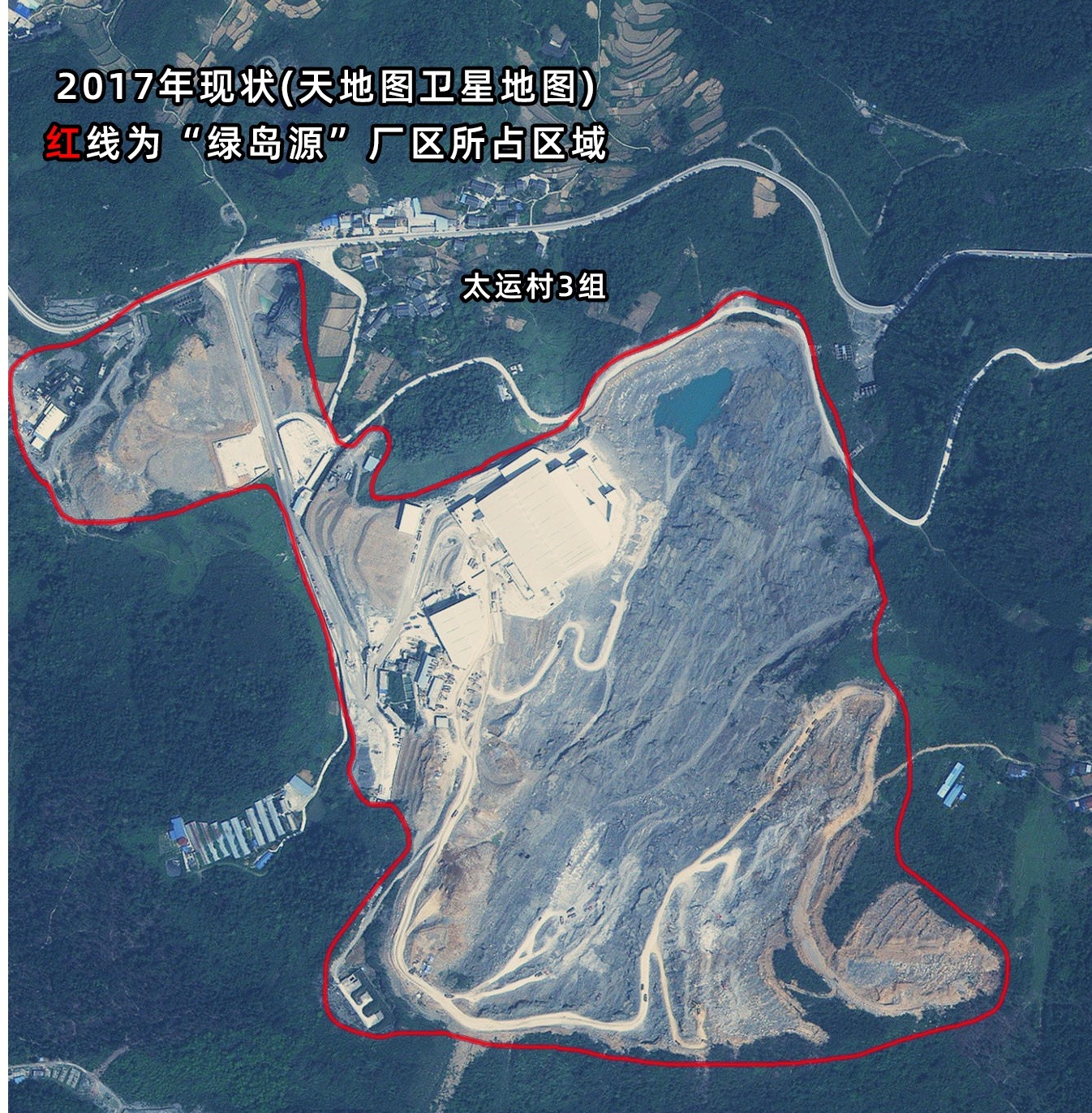
Mountain Disappeared Villagers Used AI to Investigate 20 Years of Illegal Mining
Villagers used AI and satellite data (Google Earth Engine) to expose 20 years of illegal mining on a vanished mountain.
Villagers leveraging AI with satellite imagery (via Google Earth Engine) to document 20 years of illegal mining demonstrates a practical, data-driven civictech workflow. Builders should explore low-cost, open data pipelines and user-friendly tooling to enable non-experts to run long-span geospatial investigations; investors should watch for a data-asset moat and potential downstream SaaS or NGO tools built on top of satellite analytics.
Data Moat
AI-enabled satellite analytics uncover long-t...Build: Develop a reusable satellite-analytics stack (data ingestion, change-detection, evidence packaging) to empower citize...
Invest: This could yield a platform roll-up around geospatial data products and NGO-facing tooling; consider funding data-cen...
Watch: Reliance on publicly available imagery may raise resolution and access issues; ensure data provenance and licensing a...
Verify: Demonstrate reproducible change-detection results on an independent mountainous region using Google Earth Engine or s...
BuildAtlas paraphrases and cites sources. Read originals for full context.

Recursive self-improvement from AI models
Recursive AI self-improvement signals a potential leap; builders should vet safety controls and modularity, while investors watch for alignment risks and scalable capability gains.
The concept of recursive self-improvement from AI models could redefine performance curves and compute needs. For builders, explore safe, auditable feedback loops, transparent training signals, and modular architectures to isolate improvements from regressions.
Early Signal
AI self-improvement frontierVerify: Run controlled experiments measuring improvement rate, alignment score, and failure modes across iterations.
Build: Prototype guardrails for model feedback loops, with explicit logging and rollback capabilities.
BuildAtlas paraphrases and cites sources. Read originals for full context.
AI workloads challenge the cattle model
AI workloads strain the cattle model; look for startup bets on workload-aware runtimes and schedulers.
The cattle model is struggling to scale with diverse AI workloads, prompting a rethink of resource scheduling, memory hierarchies, and end-to-end runtimes. Builders should prototype workload-aware optimizers and profiling tools to prove performance gains across frameworks; this is a space where small accelerators or runtime tweaks can create a strong moat.
Platform Shift
AI workloads redefine runtimesBuild: Develop a workload profiler and a scheduler plugin to optimize across common AI frameworks.
Invest: Shifts away from the cattle model create opportunities for new runtimes and optimization layers to gain defensible po...
Watch: Incumbents may dominate data pipelines and framework ownership.
Verify: Benchmark against at least 3 AI frameworks with representative workloads to show consistent performance gains.
BuildAtlas paraphrases and cites sources. Read originals for full context.

The SaaSpocalypse – The week AI killed software
AI-driven automation redefines SaaS value, signaling heightened risk for incumbents and opportunity for AI-native platforms.
The SaaSpocalypse piece underscores how AI copilots and automation threaten traditional software layers. For builders, map your core product onto AI-native capabilities to defend moat and prioritize composable tech.
Platform Shift
AI-driven platform shift in SaaSBuild: Audit product architecture for AI integration, build modular services, and design for AI-first data pipelines.
Invest: VCs should monitor AI-native differentiation cycles and potential consolidation among SaaS incumbents.
Watch: Beware overhype; real differentiation requires data moat and execution.
Verify: Track customer time-to-value improvements and pilot AI features adoption rate.
BuildAtlas paraphrases and cites sources. Read originals for full context.

Burnout hits AI enthusiasts early
- Early burnout signals among AI-focused teams may constrain research velocity
- Elevated fatigue could raise attrition risk and hiring challenge for AI roles
- Sustained pressure might shift project timelines and adoption of AI initiatives
- Mitigation may require wellbeing programs, workload controls, and clearer success metrics
If burnout among core AI adopters is widespread, organizational velocity in AI initiatives could falter, threatening product roadmaps and competitive edge. Key盡
Early Signal
workforce wellbeingVerify: Cross-verify with internal pulse surveys, opt-in burnout assessments, and project velocity metrics
Build: Implement proactive burnout monitoring; align incentives with sustainable workloads
BuildAtlas paraphrases and cites sources. Read originals for full context.
Building a coding agent with safe write access to Postgres
Postgres-write-enabled coding agent tightens autonomous DB tooling risk and opportunity.
A coding agent with safe write access to Postgres signals progress in enabling autonomous database tooling, but safety and access control must keep data integrity intact. Builders should prioritize robust sandboxing, audit trails, and rollback semantics to prevent destructive writes.
Platform Shift
Postgres write-enabled agents accelerate plat...Build: Implement strict write-safety gates, sandbox runtimes, and auditable operation logs for the agent.
Invest: Catalyzes a new category of autonomous DB tools; valuation hinges on governance, reliability, and real-world write fi...
Watch: Unsafe writes or data corruption could derail adoption; ensure formal verification and rollback.
Verify: Demonstrate end-to-end safe write flows with automated rollback and tamper-evident logs over multiple workloads.
BuildAtlas paraphrases and cites sources. Read originals for full context.
Anthropic taps Amanda Askell to lead AI morals program
- Ethics leadership central to product development and risk controls.
- Possible tightening of deployment standards and guardrails.
- Potential impact on regulatory conversations and trust with users.
- Next checks: governance structure, funding for ethics initiatives, and measurable ethics KPIs.
Elevating ethics leadership at a major AI player signals a strategic shift toward governance-as-differentiator, potentially shaping industry norms, consumer and
Early Signal
ethics-centric leadershipVerify: Confirm who leads the ethics program, reporting lines, and integration with product/experimentation teams.
Build: Monitor Anthropic ethics governance, external audits, and disclosure on decision-making policies.
BuildAtlas paraphrases and cites sources. Read originals for full context.
Nvidia must live with guardrails around its AI chip sales to China, Lutnick says
Nvidia faces China export-control guardrails; regulatory risk could impact its AI chip sales and roadmap.
Nvidia faces regulatory headwinds as export controls around China tighten. Builders should stress-test GPU roadmap against licensing constraints and identify alternative supply and development paths; the story signals potential chokepoints in cross-border AI deployment. Investors can gauge how regulatory risk affects Nvidia's growth trajectory and licensing dependencies, potentially creating volatility in revenue mix.
Regulatory Constraint
Nvidia faces China guardrailsBuild: Map regulatory-constraint scenarios to product roadmap and identify license-ready alternatives.
Invest: Regulatory risk may throttle growth; model licensing exposure and revenue mix under sanction regimes.
Watch: Geopolitical shifts could tighten controls unexpectedly.
Verify: Monitor export-control updates, licensing decisions, and Nvidia disclosures for regulatory risk signals.
BuildAtlas paraphrases and cites sources. Read originals for full context.

$30 Million Now Available for Zero-Emission School Buses and Charging Infrastructure
South Coast AQMD seeds $30M for zero-emission school buses and charging infra to curb pollution.
South Coast AQMD’s $30M funding accelerates zero-emission school bus deployments and charging infrastructure, signaling a real public-sector push for ZEB fleets. For builders, align procurement, integration, and data-logging plans with anticipated grant cycles and reporting requirements to avoid misaligned incentives.
Underwriting Take
Public funding fuels ZEB fleet rolloutsBuild: Draft a deployment plan for ZEB buses and chargers with milestones, vendors, and data interfaces for grant compliance.
Invest: Public grants lower capex risk for ZEB fleets, enabling faster scaling and competitive procurement.
Watch: Policy shifts or grant-reallocation can alter timelines; track disbursement schedules.
Verify: Verify grant awards, bus deployment milestones, and charger installations against South Coast AQMD reports.
BuildAtlas paraphrases and cites sources. Read originals for full context.
Arena Launches Academic Partnerships Program to Advance AI Evaluation Research
Arena launches Academic Partnerships Program to advance AI evaluation research and benchmarking.
Arena's Academic Partnerships Program marks a strategic shift toward open evaluation in AI, signaling real-world demand for standardized benchmarks. Builders should anticipate increased collaboration opportunities, shared datasets, and potential research-centric features in Arena's platform; investors should monitor the formation of credible benchmarks and academic partnerships as a proxy for product-market validation.
Early Signal
Arena fuels AI eval research via academic tiesVerify: Count partnerships announced, benchmark publications, and dataset releases over the next 12 months.
Build: Define a public researcher API and publish initial benchmark metrics with transparent licensing.
BuildAtlas paraphrases and cites sources. Read originals for full context.

Seedance 2 Review: How It's Changing AI Video (2026)
ByteDance's Seedance 2 fuels production-grade AI video with tighter multimodal inputs, signaling maturation and potential platform lock-in.
Seedance 2 signals ByteDance is pushing Seedance as a production-grade AI video stack, not just a research demo. Builders should plan for tighter integration points, robust multimodal data handling, and governance to avoid early lock-in as the platform expands into production workflows.
Underwriting Take
Seedance 2 edges toward production-grade AI v...Build: Architect modular video pipelines using Seedance 2 APIs; plan for scalable multimodal data flows and governance
Invest: ByteDance-backed Seedance 2 could accelerate AI video tooling consolidation; watch for moat via data and workflow int...
Watch: risk of platform lock-in and contended margins if Seedance 2 tightens ecosystem
Verify: validate with live beta tests across creative studios; measure latency, consistency, and workflow ROI
BuildAtlas paraphrases and cites sources. Read originals for full context.
Daily Signal Feed Digest
Get top signals ranked by impact
Each day we send a ranked digest with cross-source corroboration and a short takeaway.